

What Is Case Sealing?
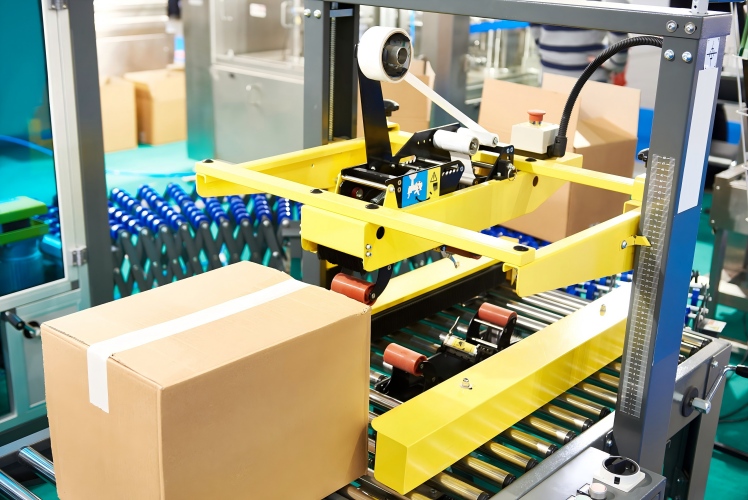
Case sealing is a critical finishing step in industrial packaging used to secure filled cartons before shipment. The process involves folding box flaps and sealing them with adhesive tape, hot melt glue or other bonding materials to fully close carton openings. As an indispensable part of end of line packaging, it connects finished product packing with subsequent logistics work. Many production lines rely on a reliable case sealing machine to standardize this repetitive process and deliver uniform sealing results at scale.
Proper carton sealing stops loose flaps and gaps, keeping goods intact during transit, enabling neat pallet stacking and streamlined warehouse storage. Whether running small-batch manual packing or large-scale fully automatic production, reliable case sealing directly decides the overall packaging quality of finished goods.
Why High-Quality Case Sealing Matters
Lots of manufacturers underestimate carton sealing, writing it off as repetitive manual work instead of a vital quality control checkpoint. Poor sealing creates hidden losses across the whole supply chain. Incomplete or uneven seals easily trigger carton rupture, goods spillage, dust buildup and moisture damage while in transit, driving up product return rates and customer complaints. Loose sealing also makes pallet stacks unstable, raising the chance of transport collision and potential storage hazards inside warehouses.
In contrast, well-optimized sealing brings tangible benefits: consistent packaging quality for delivery, fewer damaged items, less wasted adhesive and carton material, plus higher line throughput. Uniform sealing also builds a more professional brand image and boosts buyer confidence. Businesses across e-commerce, food processing, electronics and general manufacturing can no longer skip standardized carton sealing—it has become a must-have for steady operational upgrades. Our packaging solutions help factories resolve common sealing issues and run stable, cost-efficient packaging workflows with a high-performance end of line case sealer tailored to production needs.
8 Practical Tips to Boost Your Case Sealing Performance
1. Pick Suitable Sealants Based on Carton Type
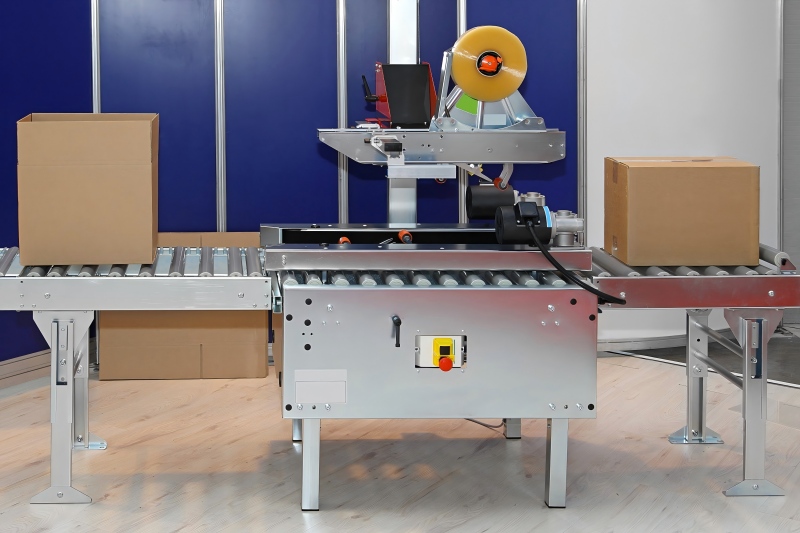
No single tape or glue works for every carton. Light single-wall boxes for daily consumer goods only require regular acrylic tape for solid closure. Heavy double-wall cartons holding spare parts or fragile items need sturdy filament tape or high-tack hot melt glue to stand long-distance haulage and compression damage. Using mismatched sealing supplies either results in weak adhesion or unnecessary extra spending. Matching tape/glue choice to box weight, dimension and shipping conditions is the easiest way to lift sealing quality and maximize the performance of your EOL carton sealer.
2. Carry Out Routine Calibration for Automatic Sealers
Most high-output packaging lines depend on automated sealers for nonstop operation. Continuous use shifts key settings including tape tension, flap folding angle and pressing force, leading to misaligned tape, incomplete lamination or uneven bonding. Set up a fixed maintenance schedule: tweak machine parameters to match incoming carton sizes regularly, clear leftover glue and dust from tape applicator heads, and check cutting blade condition. Consistent upkeep ensures uniform sealing results for every finished box and extends the service life of your end-of-line sealing equipment.
3. Standardize Pre-Sealing Carton Prep Work
Misshapen or damp cartons are a common hidden reason for flawed sealing. Warped, wet or poorly folded flaps cannot close tightly and leave tiny gaps once sealed. Before feeding boxes into sealers, staff should inspect each carton, flatten crooked flaps and discard damp or deformed boxes. This simple pre-check eliminates most basic sealing faults from the source, letting your sealing equipment work at its full designed efficiency.
4. Install Adjustable Pressure Control on Sealing Equipment
Balanced pressing force is key to gap-free sealing. Excessive pressure crushes carton edges and ruins box structure; insufficient pressure makes tape peel off easily. Modern sealing machines come with adaptive pressure modules that auto-adjust compression based on each carton’s thickness and hardness. For production lines handling mixed box sizes, this function delivers even sealing pressure across all carton specs for tight, gapless closure.
5. Sync Conveyor Speed With Sealer Operation
Misaligned carton movement often causes skewed tape application. When conveyor feed speed fails to sync with sealer running pace, boxes shift forward or backward mid-seal and end up with wrinkled, misplaced tape. Fine-tune conveyor speed and docking precision to keep cartons moving steadily into the sealer. Synced line flow cuts extra manual repositioning work, speeds up packaging and keeps sealing accuracy steady for every batch of products.
6. Switch to Eco-Friendly Hot Melt Sealing
Conventional tape sealing falls short in harsh ambient conditions and long-term durability. Hot melt sealing has grown into a popular green packaging option thanks to fast curing speed, strong adhesive power and formaldehyde-free composition, ideal for food, medical and eco-focused logistics. Hot melt glue fills carton crevices fully to form an all-in-one sealed layer that withstands low temperatures, humid air and squeezing. Upgrading to this technology effectively fixes sealing failures caused by extreme weather and tough shipping environments.
7. Provide Regular Operator Standard Training
Top-tier equipment cannot guarantee stable sealing if operators follow irregular workflows. Most small-scale sealing defects stem from messy flap folding, inconsistent tape length and incorrect machine start-stop operations. Schedule periodic skill training for frontline workers to unify operating standards, clarify defect judging rules and teach basic daily machine troubleshooting. Standard manual operation paired with automated equipment maximizes sealing output and quality consistency.
8. Build Full-Loop Sealing Quality Inspection
Spot checks on the production line prevent bulk defective packaging from moving downstream. Set random inspection stations alongside packaging lines to verify tape flatness, seal tightness and carton integrity on a regular basis. Once abnormal sealing issues pop up, adjust machine parameters and perform equipment repairs promptly to stop defective products from accumulating. A complete inspection system creates a closed loop of production, inspection and ongoing optimization to steadily improve overall packaging quality.
Customized Sealing Solutions for Diverse Production Needs
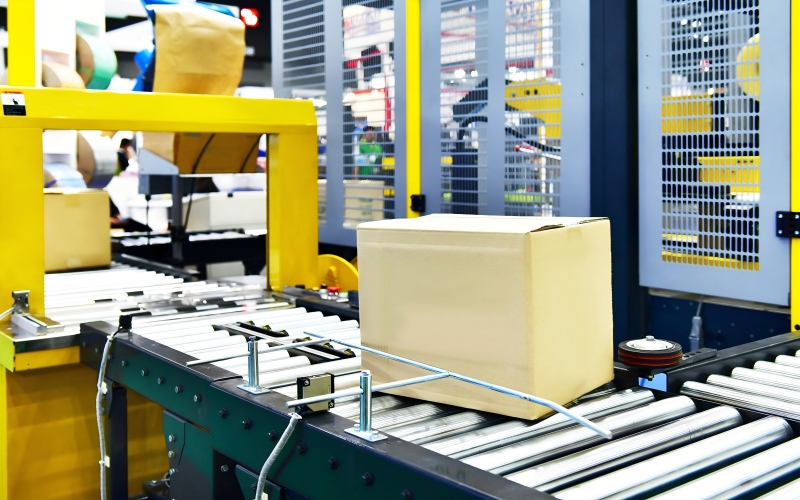
Standard sealing equipment cannot fit all production scenarios, especially for factories with special carton sizes, unique packaging materials or customized line layouts. A professional custom case sealer is designed to adapt to personalized production requirements, supporting mixed carton sizes, special adhesive processes and customized line docking. Unlike universal standard machines, custom sealing equipment solves unique packaging pain points, helping enterprises achieve exclusive, stable and high-efficiency end-of-line packaging operations.
Final Thoughts
Great carton sealing relies on holistic upgrades covering raw materials, equipment, on-site processes and management rather than isolated technical tweaks. Small improvements at every step cut packaging risks, slash operating costs and strengthen your brand’s market competitiveness. If you need custom sealing solutions or professional equipment advice, head over to cspack.com to refine your end-of-line packaging and achieve more stable, efficient carton sealing.
We offer year-round 24/7 online consultation to answer your questions about automated end-of-line packaging, bespoke equipment design and production line renovation. You may also browse our past blogs to learn more about automated packaging machinery and industry-specific packing solutions.
Contact Information
Phone: 0510-88159097
Whatsapp: +86 18921137719
Email: cs-conveyor@wxcsjm.com