

For British manufacturers across food, beverage, consumer goods and e-commerce fulfilment, the biggest operational headache is no longer production speed on the main assembly line — it is the end of line packaging stage. The UK’s long-running labour shortage has made heavy manual packing and palletising roles extremely hard to fill. High staff turnover, soaring hourly wages and strict HSE ergonomic rules have left many factories stuck with bottlenecks right before goods leave for distribution centres across the country and Europe. A fully connected Complete end of line packaging system has quickly become a vital upgrade for UK businesses aiming to cut costs, stabilise output and meet strict workplace safety standards.
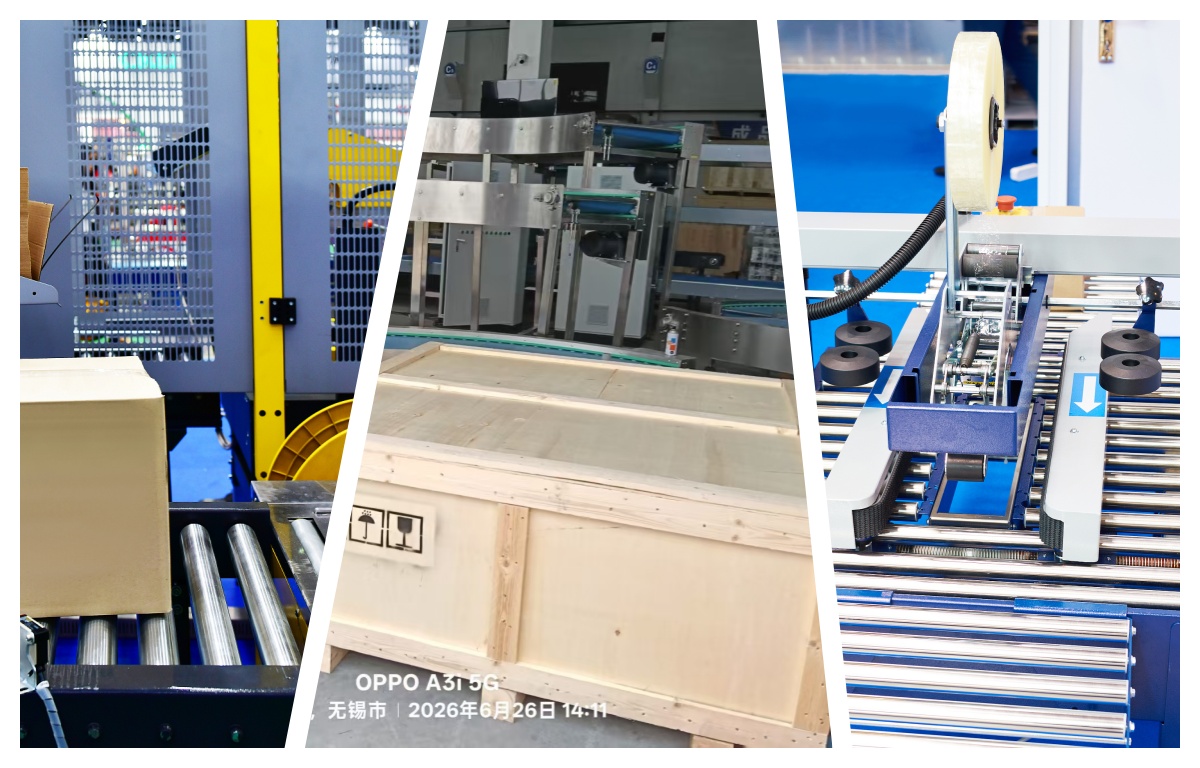
On the production floor, the whole automated workflow runs seamlessly, as shown in our site operation images. After cartons are sealed, roller conveyors carry each box steadily to the positioning station. Once aligned correctly, robotic grippers pick up cartons and build neat, uniform pallet loads following pre-programmed stacking patterns. Empty pallets are fed automatically, and fully loaded pallets roll out straight to the loading bay ready for forklift transport. Every step links together without human handling, forming a continuous unmanned flow from finished box right through to outbound delivery. This tightly connectedEOL Packaging solution eliminates waiting time between processes and matches the high speed of upstream production perfectly.
The struggle of manual end of line operations hits UK manufacturers harder than most. Palletising heavy boxes counts as strenuous manual labour. Vacancies stay unfilled for weeks, and existing workers often leave for lighter roles in retail and hospitality. Most sites rely on two or three shift teams just to keep up with output, pushing up overtime and recruitment expenses year after year. The Health and Safety Executive has tightened rules on repetitive lifting, increasing the risk of workplace injury claims for businesses still relying on human stackers. On top of labour problems, inconsistent manual stacking creates uneven pallets that shift during road transport. Damaged packaging leads to customer complaints and wasted stock, while irregular loads waste valuable space inside lorries and 40ft shipping containers heading to EU markets. Investing in professional EOL Packaging Equipment effectively solves all these pain points plaguing British production sites.
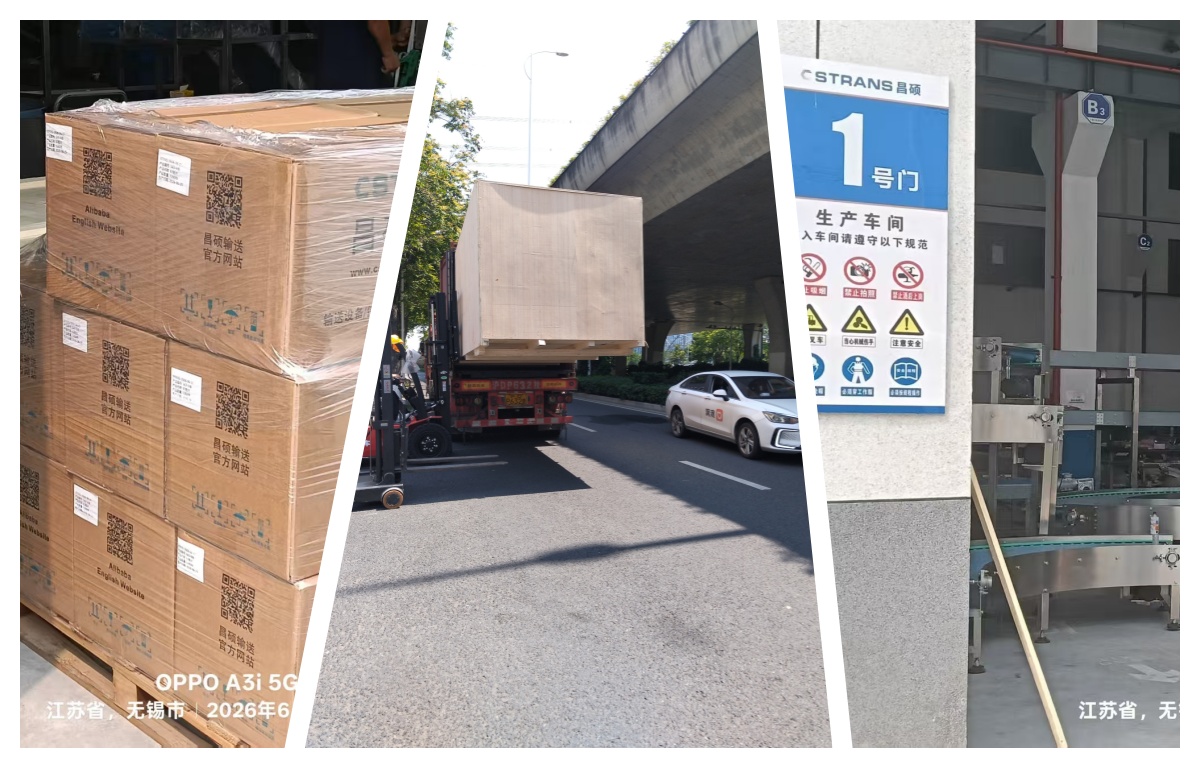
Our modular end of line packaging system is built to fit the layout of British factories, both newly built facilities and older warehouses with limited floor space. The line combines roller conveyors, box alignment stops, robotic palletising stations and automatic pallet dispensers. Factory managers can add case tapers, strapping machines and stretch wrappers to match their exact order requirements. The whole system is operated via a simple PLC touchscreen. Operators only need to input carton dimensions, stacking layers and load layouts to switch between different product runs quickly, making it ideal for UK sites running mixed small-batch orders for multiple retail clients. The adjustable gripper avoids crushing cartons, while robotic stacking holds tight tolerances, producing square, stable pallets every single shift. This integrated End Of Line Packaging Machine set is tailored for the flexible production needs of British manufacturing enterprises.
For UK business owners, the financial case for end of line automation is clear. A single automated packaging cell equipped with full EOL Packaging Equipment can replace 6 to 8 full-time manual packers, cutting ongoing wage, NI and agency staff costs dramatically. The equipment runs 24 hours a day without breaks, sickness or shift gaps, so production output stays consistent even during peak holiday trading periods. Machine downtime is kept low thanks to a solid mechanical build and easy access for routine maintenance, keeping uptime above 95%. Most British food and consumer goods manufacturers achieve full payback on their investment in a Complete end of line packaging system within 18 to 24 months, from lower labour bills and fewer goods damaged in transit.
Logistics efficiency is another major benefit for UK firms sending goods nationwide and overseas. Robot-built pallets are uniform and compact, maximising the number of cartons that fit onto each lorry. This cuts road freight costs per unit and reduces carbon emissions, helping businesses hit UK net-zero packaging and logistics targets. Neatly stacked loads also make warehouse storage safer, lowering the risk of pallet collapse and improving space utilisation within distribution centres. Automated record-keeping also supports product traceability, meeting the strict retail and EPR compliance rules now enforced across British supply chains. Standardised EOL Packaging automation ensures full compliance with UK and EU supply chain regulations.
In today’s competitive UK manufacturing landscape, the end of the production line is no longer an afterthought. With manual labour becoming scarcer and more expensive, businesses cannot afford to keep relying on hand palletising and packing. A complete End Of Line Packaging Machine solution turns this traditional bottleneck into a streamlined, unmanned process. It resolves recruitment struggles, meets HSE safety requirements, improves order consistency and slashes long-term operational costs.
Whether you run a medium-sized food processing plant in the Midlands, a drinks bottling site in Scotland or an e-commerce fulfilment centre in the South East, robotic EOL Packaging Equipment delivers reliable long-term gains. By automating carton conveying, positioning and palletising in one connected Complete end of line packaging system, British manufacturers can build leaner, more resilient supply chains and stay competitive against EU and global suppliers.