

The pharmaceutical cold chain is going through a huge makeover. As biologic drugs, mRNA vaccines, and temperature-sensitive cell therapies spread across the globe, there's practically no room for mistakes when it comes to handling them. The real game-changer in this logistics overhaul? A piece of equipment that often flies under the radar: the telescopic belt conveyor. These extendable gadgets used to be stuck in cross-docking warehouses and parcel sorting centers, but now they're getting a major upgrade to handle the tough, sub-zero conditions needed for pharmaceuticals.
This article explores the specific technological breakthroughs that are making the telescopic conveyor system a critical asset for cold-chain pharma logistics, and how these innovations integrate seamlessly with downstream packaging machinery to maintain product integrity from dock to delivery.
1. Thermal Barrier Engineering: Beyond Simple Refrigeration
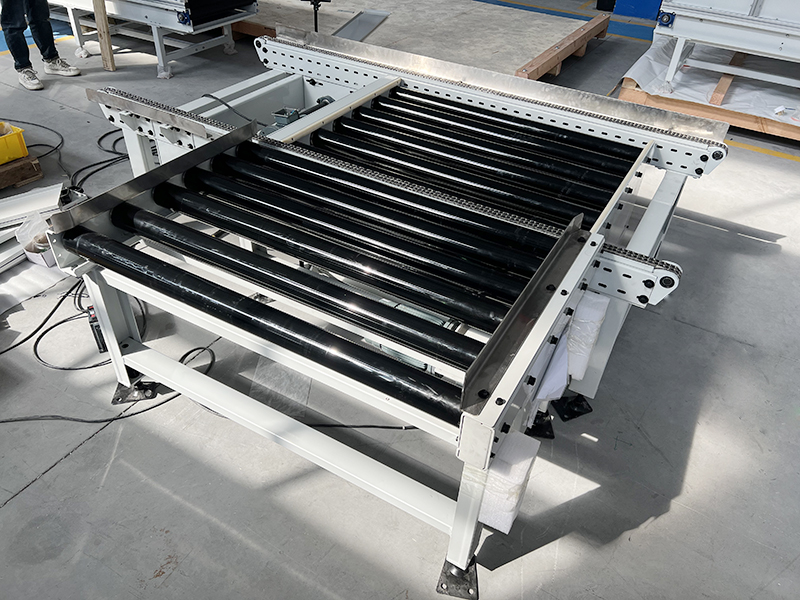
The most significant breakthrough in telescopic belt conveyor technology for pharmaceutical applications is not about movement—it is about thermal management. In a traditional cold-chain facility, the greatest point of vulnerability is the dock door. Every time a telescopic conveyor system extends into a refrigerated truck, it creates a potential breach for cold air to escape and warm air to infiltrate.
Modern innovations have shifted from treating the conveyor as a passive transport surface to engineering it as an active thermal barrier. Manufacturers are now integrating insulated, sealed telescopic sections that minimize air exchange. High-speed, low-friction belts reduce heat generation, while the rollers and drive mechanisms are encased to prevent ambient heat from penetrating the cold zone.
Furthermore, advanced telescopic belt conveyor models now feature "cold seal" docking stations. When the conveyor is not in use, the opening seals flush against the dock wall. During operation, the telescopic sections extend through an airlock system, maintaining positive pressure or utilizing directional airflow to prevent warm, humid air from entering the cold storage environment. This prevents the formation of condensation (freezing water) on pharmaceutical packaging, which could compromise secondary packaging integrity or label adhesion .
2. Material Science for Cryogenic Durability
Standard telescopic belt conveyor systems are typically constructed from galvanized steel or painted mild steel. In a cold-chain pharmaceutical environment—particularly in deep-freeze applications operating at -20°C to -80°C—these materials become brittle and are prone to corrosion from frost.
Recent breakthroughs involve the widespread adoption of full stainless steel construction for pharmaceutical-grade telescopic belt conveyor systems. This is not merely a cosmetic upgrade. As highlighted by industry suppliers, stainless steel rollers and frames provide critical corrosion resistance in harsh, low-temperature environments . This material choice ensures that the mechanical integrity of the system remains intact despite repeated freeze-thaw cycles.
Additionally, the belting material itself has evolved. New thermoplastic and modular plastic belts are engineered to maintain flexibility at cryogenic temperatures without cracking. These materials are also formulated to be non-flaking and resistant to the antimicrobial chemicals used in stringent sanitation protocols, ensuring compliance with Good Manufacturing Practices (GMP) .
3. Predictive Condition Monitoring
Downtime in a pharmaceutical cold chain is not just an operational inconvenience; it is a financial and public health crisis. If a telescopic belt conveyor fails during a vaccine rollout, thousands of doses can be lost to temperature excursions while waiting for repairs.
The integration of the Internet of Things (IoT) and smart sensors represents a quantum leap for the telescopic conveyor system. Modern units are embedded with vibration analysis sensors on drive motors and gearboxes. They monitor belt tension in real-time and track the cycle count of telescopic extensions.
By utilizing predictive analytics, the system can forecast bearing failures or motor degradation weeks before they occur. This allows maintenance teams to perform "hot swaps" during planned downtime rather than facing catastrophic failures during peak operational hours. For pharmaceutical logistics providers, this translates directly into supply chain reliability and patient safety.
4. Gentle Handling for Sensitive Carg
Pharmaceutical products, particularly in their primary packaging, can be fragile. Glass vials, pre-filled syringes, and diagnostic cartridges do not tolerate the sudden stops and impacts common in legacy conveyor systems.
Breakthroughs in control algorithms for telescopic belt conveyor systems now allow for "soft start" and "soft stop" technology. Advanced variable frequency drives (VFDs) control the acceleration and deceleration curves with surgical precision. When the conveyor extends deep into a truck trailer, it can adjust its speed based on the position of the operator or the weight of the load.
Furthermore, these systems are now designed to interface with carton packer machinery without creating back-pressure. By synchronizing the infeed speed of the telescopic belt conveyor with the cycle time of an automatic carton packer, the system ensures that cases are collated gently, preventing the jostling that could damage internal pharmaceutical containers.
5. Seamless Downstream Integration: The Role of Carton Packers and Strapping Machines
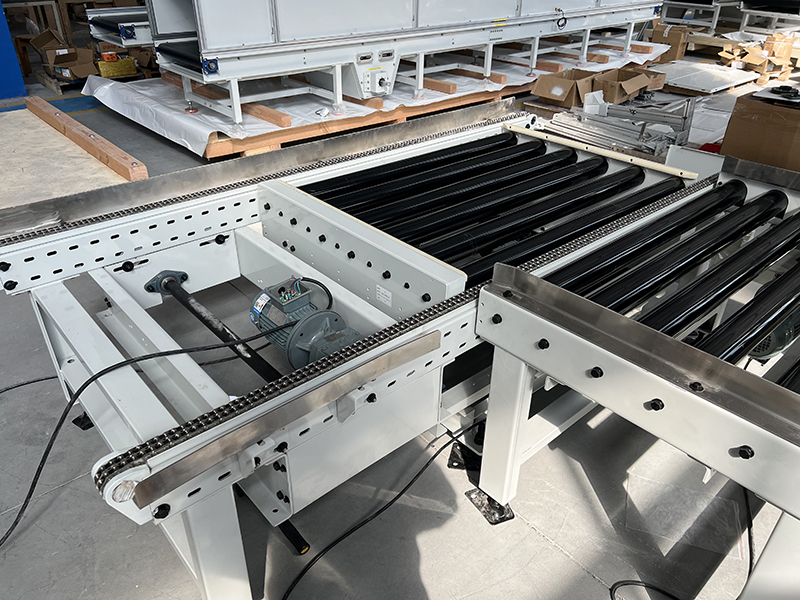
A telescopic conveyor system does not operate in a vacuum. Its true value in a pharmaceutical cold chain is realized through its seamless integration with end-of-line packaging equipment.
Synchronized Carton Packer Interface
Modern pharmaceutical lines require that cases be packed securely before being returned to the freezer or shipped. As cases exit the telescopic belt, they often feed directly into a carton packer. Recent technological advances allow the telescopic belt conveyor to communicate with the carton packer via industrial Ethernet protocols. If the carton packer experiences a jam or slows down, the conveyor automatically reduces its throughput to prevent pile-ups that could push products off the edge or cause boxes to fall into unsterile areas.
Automated Strapping Machine Integration
Once packed, cartons often require reinforcement to prevent tampering or to stabilize loads for palletizing. The integration between the conveyor and the strapping machine has become increasingly sophisticated. High-speed pharmaceutical lines utilize strapping machine technology that applies polypropylene or polyester strap without generating dust or debris—a critical contamination control factor .
Advanced systems allow the telescopic belt conveyor to stage products perfectly for the strapping machine, ensuring that the strap is applied consistently to every carton regardless of variations in package size. This level of automation reduces the need for human intervention in the cold environment, protecting both the worker and the product .
6. Modular Flexibility and Scalability
The pharmaceutical market is volatile. Demand for specific drugs can spike overnight, requiring logistics operations to scale up rapidly. The latest telescopic belt conveyor systems are designed with modularity in mind.
Breakthroughs in mechanical design now allow for "plug-and-play" extensions. A facility that handles primarily small parcels can quickly adjust the boom length and belt speed to accommodate a surge in larger case volumes. This adaptability is supported by wheeled bases and modular sections that allow the conveyor to be reconfigured for dynamic workflow needs without requiring heavy rigging or extended downtime .
This flexibility ensures that pharmaceutical companies can respond to market changes without massive capital expenditures on new fixed infrastructure.
Conclusion
The telescopic belt conveyor has evolved from a simple material handling tool into a sophisticated, temperature-controlled, data-generating asset. For cold-chain pharmaceuticals, the breakthroughs in thermal management, material science, predictive analytics, and integration with equipment like carton packer and strapping machine systems are ensuring that life-saving drugs remain potent from the moment they leave the manufacturing line until they reach the patient.
As the industry moves toward personalized medicine and even more temperature-sensitive modalities, the telescopic conveyor system will continue to be a focal point for innovation, bridging the gap between the sterile production environment and the unsterile, but carefully controlled, world of logistics.